76 years of Jerusalem Silversmiths, handmade work passed down from generation to generation

This shop is secured

How do you identify real silver? How can I be sure I'm not being scammed?

Silverware is much more than just an ornamental item 

 it combines beauty, tradition and quality that is preserved

 over many years and passed down through generations

 of the family as a prestigious and high-quality heirloom.

 Whether it's a Shabbat candlestick, a Kiddush cup,

a Hanukkah menorah or another Judaica item,

 it's important to know how to identify real silver before

 purchasing.

 1. Look for a quality stamp

 The clearest sign of real silver is a stamp indicating

 the degree of the purity of the metal.

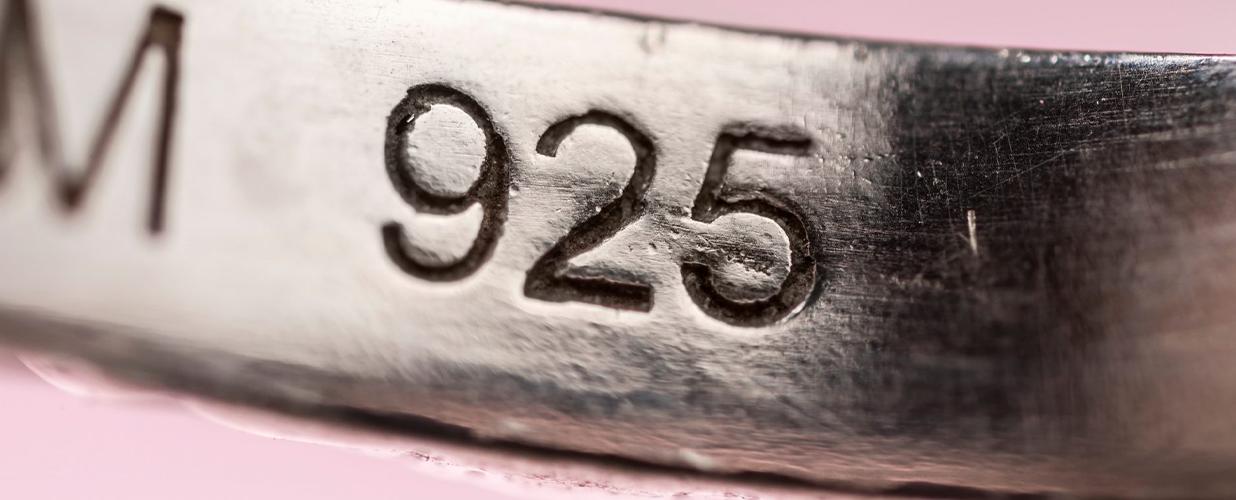
 The most common stamps are: 925 – sterling silver,

 which contains 92.5% pure silver.

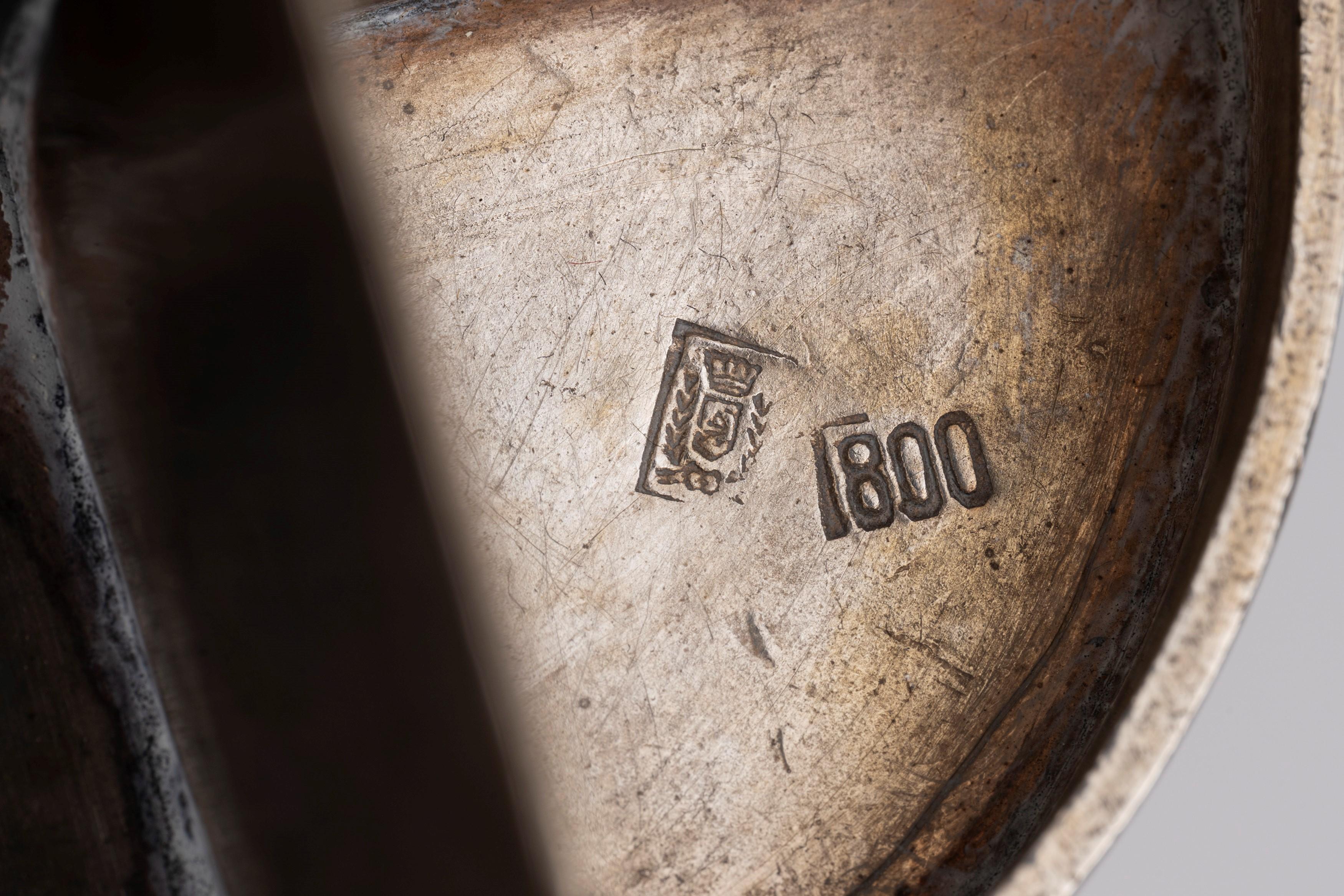
 800 – containing 80% pure silver

(usually in cutlery and antique utensils)

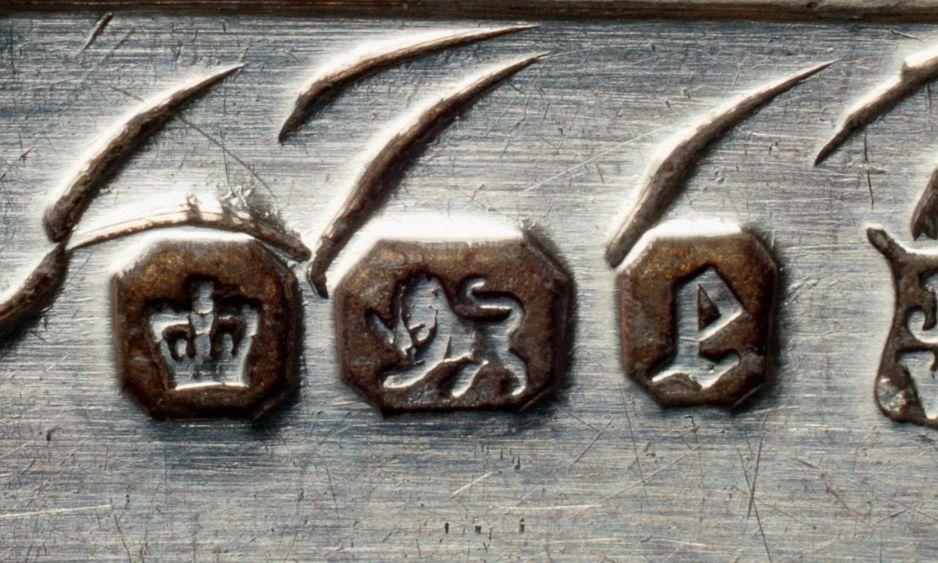
Antique stamp mainly from Europe of a lion / queen or

 crown

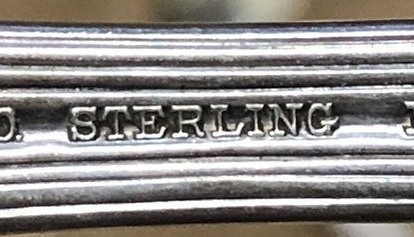
STERLING SILVER stamp or just STERLING


 In silverware the stamp usually appears at the bottom

 of the item or in a hidden area. 

 Today, most craftsmen and factories stamp their name on

 the tool - A name stamp must come next to the stamp

 indicating the quality of the silver and does not

 constitute a confirmation of the quality of the material.

 In the past, the 999 stamp was a confirmation of 100%

 pure silver Today, 999 is stamped on silver-plated tools

 and not pure silver tools

 A silver-plated tool is an item made of a base metal, such

 as brass or copper, on which a thin layer of silver is

 coated.

The coating gives the item the prestigious appearanc of Silver, but does not make it a tool made of solid silver.

 2. Check the weight

Real silver is a relatively light and soft metal and

therefore feels light in the hand.

 Silver is a precious and noble metal and is traded on

 the global metals exchange and its price varies slightly

 from pen to pen, so most silverware is not heavy (the

 price is determined by weight)

If the item is unusually heavy, it may be made of another

 material or only plated.

3. Pay attention to natural color changes

 The "disadvantage" turns out to be an advantage in terms of testing:

Pure silver oxidizes over time from the air (first yellowing and then a subtle blackening).

This is not a malfunction but a typical sign of quality

 silver, By cleaning with the designated materials, the

 metal will shine like new again.

 4. Purchase from a reliable source

 The safest way to ensure that you are purchasing real,

 pure and high-quality silver is to choose In

a professional and reliable store, which provides clear

 information about the raw materials and pays attention to

 the quality of production.

Why choose handmade silverware?

Pure silverware is traditionally handmade and combines

a tradition of art with a high level of finish and uniqueness that is not found in mass production.

 Each item is carefully manufactured to be part of a family tradition that is passed down from generation to generation.

In conclusion Identifying real silver begins with checking

 the stamp, continues with examining the weight and

 finish, and ends with choosing a reliable supplier.

 When you purchase quality silverware, you enjoy a

 prestigious, durable and valuable item for years.